Adaptive Biotechnologies, Seattle, WA
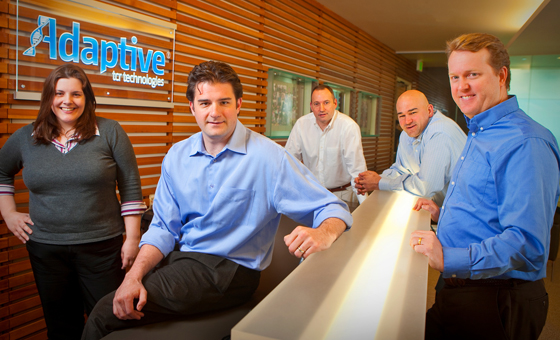
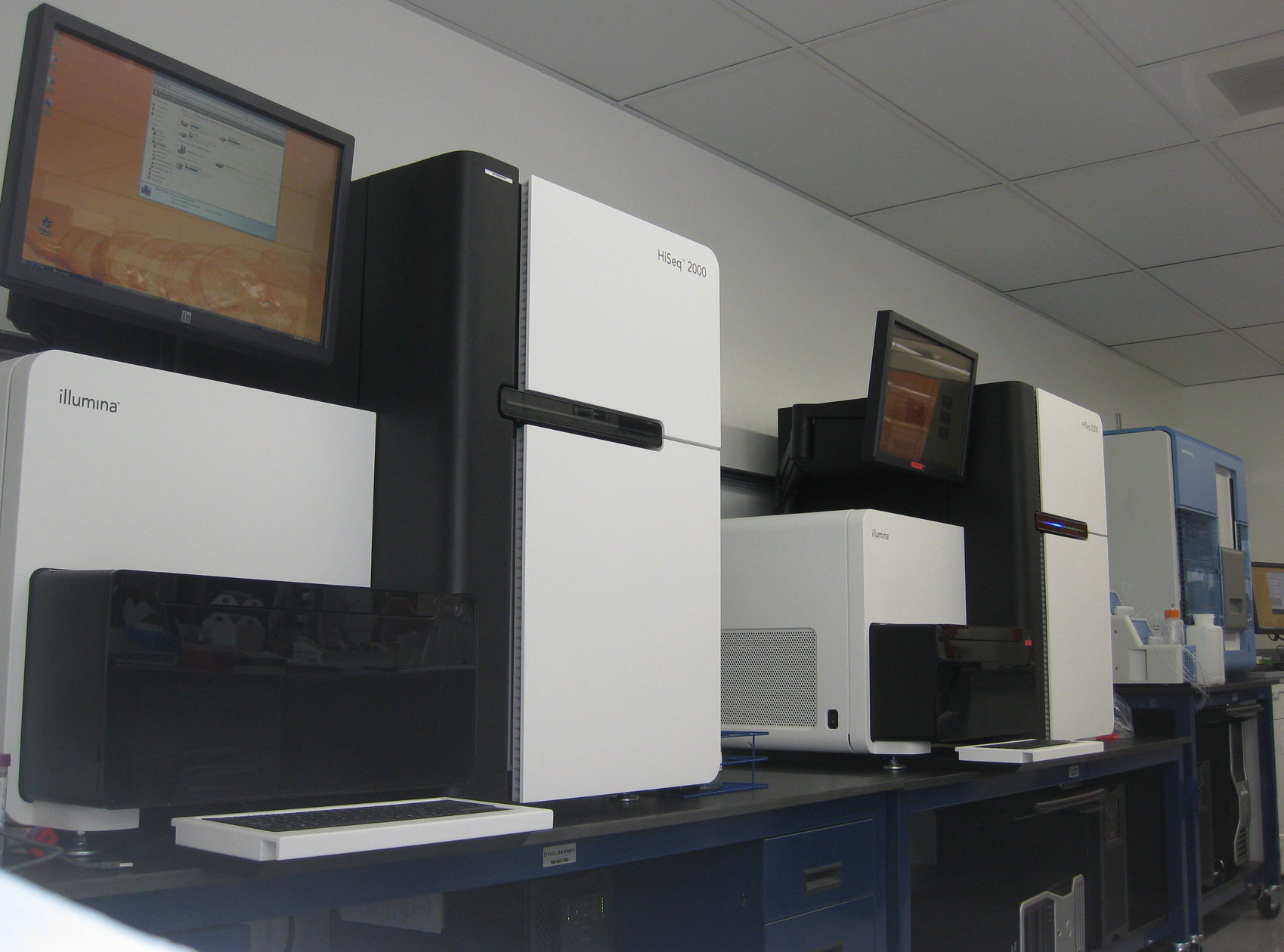
The Adaptive Biotechnologies immunoSEQ system is comprised of novel next-generation DNA sequencing methods and a suite of computational analysis tools that have revolutionized the field of genomic immunology by providing an unparalleled view of the adaptive immune response in autoimmune diseases, vaccine development, transplantation and cancer. In 2010 Adaptive TCR submitted its first ever SBIR proposal to the National Institutes of Health to optimize its novel immune profiling technology and identify the molecular biomarkers in type 1 diabetes. The company received a Phase I award and began work on the project with the Benaroya Research Institute in Seattle, Washington. Under the leadership of CEO Chad Robins and the direction of Principal Investigator Dr. Robert Livingston, Adaptive is expanding its technology to address cancer immunotherapy. In 2011 Adaptive received its second phase I award to address the efficacy of cord blood transplantation by measuring immune reconstitution after treatment for lymphoma and leukemia. As a result of this award, and in partnership with the Fred Hutchinson Cancer Research Center, Adaptive has expanded its cancer immunotherapy SBIR program to address the prognostic implications of infiltrating lymphocytes in ovarian cancer tumors.
Due in part to the support of these SBIR awards, Adaptive has grown from four employees in 2010 to 24 at the close of 2011. The company has recently begun concerted efforts toward broader commercialization of its assays with the hiring of a full-time customer service position and is rapidly expanding its scientific research staff.
Adaptive actively participates in national and international professional meetings. At the 2011 meeting of the American Society for Histocompatibility and Immunogenetics Adaptive scientists won the award for Most Innovative Poster for their presentation titled “Immune Profiling with High-Throughput Sequencing.”
Adaptive TCR was founded to deliver the potential of our immune profiling technology to the broader research community. With SBIR support, we have expanded our research programs by collaborating with the Benaroya Research Institute, the Fred Hutchinson Cancer Research Center, the Infectious Disease Research Institute, the Seattle Cancer Care Alliance, and the University of Washington. As a result of these collaborations we have been able to expand the utility of our immune profiling assay to address major questions of cancer immunogenetics and consequently, translate our technology to the clinic by developing tools to improve cancer diagnoses and treatments. The potential of immune profiling to advance human health is only just now coming into focus and the discoveries waiting to be made will truly revolutionize translational medicine. By adapting and innovating this new technology, Adaptive Biotechnologies is realizing the promise of the SBIR program
0 comments